Histórias
O Cuidado Importa: Centrando os Direitos e a Autonomia do Paciente na Guatemala
Pedir métodos contraceptivos ainda pode parecer que se cruza uma linha invisível na Guatemala.
As mulheres ponderam o risco de serem julgadas, ignoradas ou mal compreendidas, especialmente as mulheres maias que não falam espanhol, idioma frequentemente o único utilizado por muitos profissionais de saúde na Guatemala. Agora, com a escassez de contraceptivos se espalhando por todo o país, mesmo aquelas dispostas a correr esse risco encontram opções cada vez menores.
Em Santo Domingo Xenacoj, essa realidade se desenrola silenciosamente, onde as mulheres frequentemente buscam cuidados em particular após o trabalho, após o anoitecer, muitas vezes com hesitação. Porque acesso não é apenas sobre disponibilidade. É sobre confiança. E para muitos, issoferrugem é difícil de encontrar.
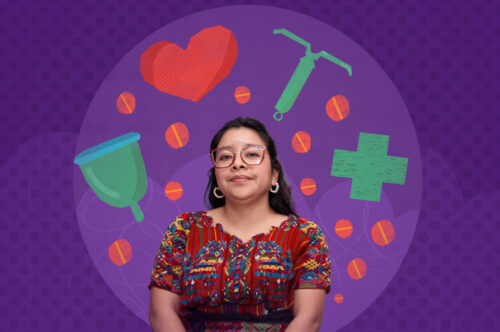
Noemi oferece cuidados em sua própria casa, em horários que funcionam para as mulheres de sua comunidade, incluindo noites, quando o trabalho termina e as crianças dormem, algo que as instalações de saúde formais raramente oferecem. Esse ambiente ajuda a criar uma sensação de conforto, privacidade e segurança. Como uma maia Cachiquel a própria mulher, ela construiu seu trabalho como promotora de saúde reprodutiva em torno da confiança, especialmente para mulheres indígenas cuja língua principal é Cachiquel. Tendo experiência em primeira mão com o medo de maus-tratos e vergonha que geralmente impede as mulheres guatemaltecas de buscar cuidados em ambientes clínicos formais, Noemi se esforça para remover essas barreiras, oferecendo cuidados em um ambiente seguro, familiar e sem julgamentos. “Meu objetivo sempre foi inspirar confiança em minhas pacientes, já que a maioria delas está” indígena,”, disse Noemi.
“Dado o estigma em torno da saúde reprodutiva na Guatemala, a primeira coisa que eles pensamnk é que vou tratá-los mal. Então o que importa é a confiança que você constrói com eles.”
Noemi faz parte de um modelo baseado em comunidade apoiado pela Rede Internacional de Mulheres para Soluções na Guatemala (WINGS), uma parceira da Fòs Feminista que oferece educação e serviços de saúde reprodutiva para populações rurais e indígenas. Através deste trabalho, ela compartilha aconselhamento, informações e contraceptivos com mulheres em sua comunidade, encontrando-as onde elas se sentem mais confortáveis.
“Muitas vezes preciso falar com meus pacientes sobre a diversidade de opções contraceptivas disponíveis para eles”, disse Noemi. “Se os efeitos colaterais forem explicados corretamente e as pessoas puderem fazer perguntas sobre a realidade de cada opção sem medo de julgamento, elas estarão mais aptas a escolher aquela que é certa para elas.”
Eventualmente, Noemi assumiu um papel adicional como enfermeira nas clínicas móveis da WINGS, viajando para diferentes comunidades para prestar cuidados. Após anos trabalhando como enfermeira, ela continua atendendo pacientes em sua comunidade como promotora, muitas vezes os atendendo em sua própria casa à noite ou nos fins de semana, para que possam ir depois do trabalho na indústria agrícola da região.
Durante uma de suas consultas regulares, Noemi conheceu Anita, aindígena mãe de quatro filhos que queria evitar outra gravidez. Ao abordar com gentileza e construir um forte relacionamento com ela desde o primeiro dia, Noemi ajudou a criar um ambiente de confiança que deu a Anita confiança para continuar priorizando sua saúde reprodutiva e tomando decisões informadas sobre seu futuro.
“É muito mal visto culturalmente usar contraceptivos, mesmo que sejam apenas pílulas ou uma injeção, tudo é visto de forma negativa”, explicou Noemi. “Mas se você considerar suas opções e escolher um método que seja o melhor para você, você acaba conseguindo dedicar mais tempo aos filhos que já tem, em vez de ter outro bebê.”
“Poder ter acesso a contraceptivos significa que posso ser uma mãe melhor, uma esposa melhor e ter tempo para mim”, concordou Anita. Ela se lembra do alívio que sentiu ao ter acesso a cuidados seguros e acessíveis na WINGS. Comprar contraceptivos em farmácias guatemaltecas pode ser significativamente mais caro, e os farmacêuticos são conhecidos por ultrapassar limites e tentar fornecer conselhos médicos. Anita se sentiu muito mais confortável e apoiada pela abordagem de cuidados baseada em direitos de Noemi.
O acesso à saúde reprodutiva na Guatemala está sob crescente pressão. A má gestão governamental desacelerou a aquisição de contraceptivos, interrompendo as cadeias de suprimentos e deixando as clínicas sem métodos essenciais. Com as escassezes já em andamento, espera-se que as lacunas no acesso se aprofundem até 2026.
Para preencher essa lacuna, a WINGS fez parceria com Suprimentos de saúde INNOVA, é uma iniciativa liderada pela Fòs Feminista, desenvolvida em parceria com organizações da região para fortalecer o acesso a contraceptivos, oferecendo soluções personalizadas aos prestadores de serviços de saúde locais na América Latina e no Caribe para ajudá-los a evitar altos preços, longos tempos de espera e produtos contraceptivos que chegam com prazo de validade curto. Ao fazer parceria com a INNOVA, a WINGS ainda conseguiu fornecer uma variedade de opções contraceptivas, ajudando as mulheres a manter a continuidade do cuidado apesar das escassezes nacionais.
“É tão importante fornecer aos pacientes opções confiáveis, especialmente quando muitas mulheres carecem de informações precisas sobre os vários tipos de contracepção que estão disponíveis para elas”, disse Noemi. “É por isso que minhas sessões de aconselhamento com promotores de saúde envolvem não apenas a administração de um método contraceptivo, mas também ouvir, perguntar sobre a vida de minhas pacientes e construir relacionamentos de longo prazo. Quero continuar esse cuidado.’
Anos após seu trabalho como promotora de saúde, Noemí continua recebendo mulheres em sua casa, oferecendo algo que muitas delas têm dificuldade em encontrar em outro lugar: a confiança e a autonomia para tomar decisões sobre seus próprios corpos.
*Seu nome real foi omitido para proteger sua privacidade.