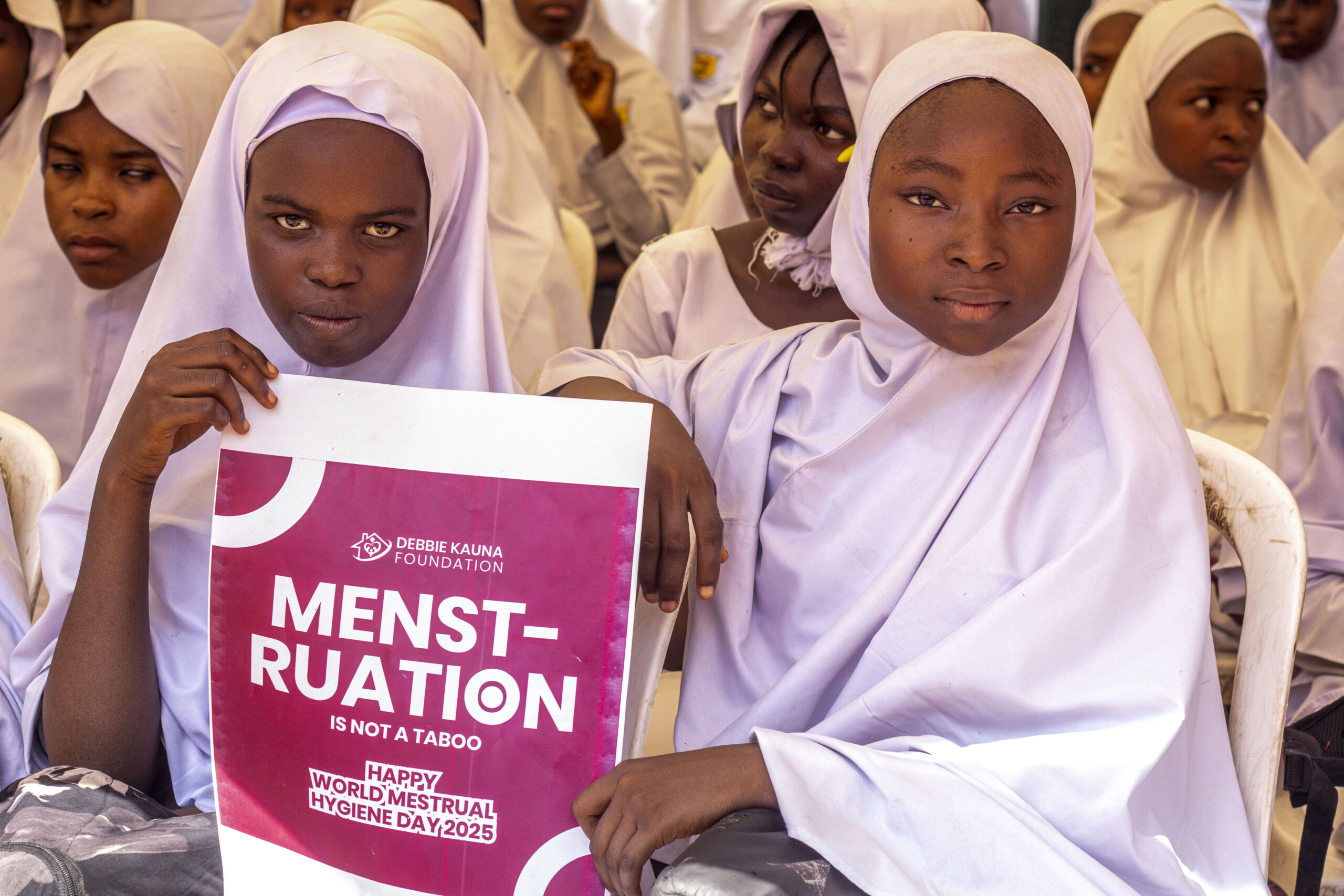
La menstruation est un processus biologique naturel vécu par près de 2 milliards de personnes dans le monde. Pourtant, au lieu d'être vécue dans la dignité, la menstruation est un lieu de discrimination pour de nombreuses femmes, jeunes filles et personnes de sexe différent à travers le monde.
Pour évaluer l'ampleur, les formes et les facteurs structurels de la discrimination menstruelle dans les pays du Sud, l'initiative Sang pour Sang a mené une étude représentative basée sur la population au Bénin, au Cameroun, en Côte d'Ivoire, en République dominicaine, en Guinée, en Haïti, au Nigeria, au Pakistan et aux Philippines.
S'appuyant sur les expériences de près de 5 000 personnes ayant leurs menstruations et de 3,5 000 hommes et garçons dans neuf pays, cette étude à grande échelle met l'accent sur les réalités vécues par les personnes les plus touchées, et les conclusions sont brutales. La discrimination menstruelle est omniprésente, la grande majorité des personnes ayant leurs menstruations faisant état de leur exclusion des activités courantes pendant leur période menstruelle, d'expériences de taquineries menstruelles, ou des deux à la fois. Les hommes et les garçons sont fréquemment témoins de ces pratiques, restant souvent des spectateurs passifs ou, parfois, y participant, tandis que seule une petite minorité intervient pour mettre fin à la discrimination lorsqu'elle se produit.
Les méfaits de la discrimination menstruelle sont entretenus par des facteurs structurels qui se recoupent, notamment la stigmatisation, l'accès insuffisant à des produits menstruels abordables, les normes sexistes néfastes, l'accès limité aux solutions de gestion de la douleur, les infrastructures insuffisantes en matière d'eau, d'assainissement et d'hygiène, ainsi que la désinformation préjudiciable. En même temps, l'étude de base identifie des points d'entrée critiques pour le changement, y compris l'ouverture croissante à la discussion sur la menstruation et l'importance des normes sociales de soutien et des approches fondées sur les droits et transformatrices en matière de genre.
Le rapport transnational sur les expériences des personnes ayant leurs règles en matière de dignité et de discrimination menstruelles fournit une base de données solide pour informer le plaidoyer, la programmation et la politique. En dépassant les cadres étroits de l'hygiène menstruelle pour se concentrer sur la dignité, les droits et l'équité, il offre une base d'action fondée sur des preuves, façonnée par les expériences vécues et orientée vers un changement significatif et durable.